
A Look at the New Browning-Resistant Variety and Its Market Potential
1. The Browning Issue: Why It Matters
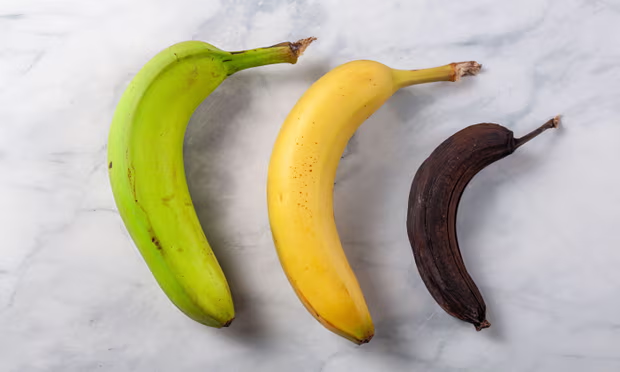
(Source: Pinterest)
Bananas are one of the most widely consumed fruits in the world, with annual production reaching around 116 million metric tons (according to FAO estimates). As a global staple fruit, bananas command an enormous market, generating approximately US$20–25 billion in trade value. However, despite their popularity, bananas develop brown spots within just a few days of purchase, often leading to premature spoilage.
- Browning: As bananas ripen, they release ethylene and undergo oxidation, resulting in brown spots on the peel and sometimes in the flesh.
- High Waste Rates: Once browning begins, the fruit becomes less visually appealing and more prone to quick spoilage, which leads to significant losses during distribution and at home.
2. Tropic’s Groundbreaking Approach
In an effort to address these challenges, UK-based gene editing startup Tropic has been developing new banana varieties. They plan to release a non-browning banana this March, followed by a “Long Life” banana later in the year. Using advanced gene editing techniques, Tropic aims to drastically reduce or prevent the browning process altogether, while also extending the fruit’s overall shelf life.

Pictured: Cofounders Eyal Maori and Gilad Gershon.
(Source: Tropic)
1) Non-Browning Banana (Launching in March)
- Targeted Gene Editing: By modifying the genes responsible for browning, Tropic’s new variety is designed to show minimal or no brown spotting.
- Benefits for Distribution & Consumption: Since the bananas remain visually appealing, retailers can display them longer with reduced waste, and consumers can enjoy a fresh appearance well past the typical browning window.
2) Long Life Banana (Expected by Year-End)
- Browning Inhibition + Slowed Ripening: Beyond suppressing brown spots, these bananas are engineered to slow the natural ripening and spoilage process, staying fresh for a longer period.
- Projected Impact: By overcoming the typical “rapid ripening” drawback, this variety could reduce transportation costs, help stabilize prices, and promote more efficient global distribution.
3. Development Process & Technology
Tropic has focused on identifying and editing the specific genes associated with browning and ripening in traditional banana varieties. While conventional breeding methods require lengthy crossbreeding cycles, gene editing allows scientists to quickly and precisely modify targeted traits.
- Gene Editing vs. GMO: Rather than inserting foreign genetic material, gene editing (e.g., CRISPR) tweaks or removes specific sections of the plant’s own DNA.
- Research & Commercialization Steps:
- Identify candidate genes tied to browning and ripening
- Analyze gene sequences and develop a targeted editing strategy
- Conduct laboratory and field tests to evaluate browning, growth, flavor, and texture
- Move toward commercial release after proving safety, stability, and market acceptance
4. The Global Banana Market and Potential Benefits

As one of the most in-demand fruits worldwide, bananas come with high logistics costs and significant environmental burdens. If the new browning-resistant and extended-shelf-life varieties prove successful, they could bring multiple advantages:
- Reduced Waste
- Fewer bananas would be discarded due to premature browning, alleviating waste for both retailers and consumers.
- This decrease in food waste also has environmental benefits, such as lowering emissions from waste disposal.
- Improved Logistics & Cost Savings
- Slower ripening means more flexibility with temperature and humidity controls during transport.
- A longer shelf life could help stabilize supply and prices, potentially reducing overhead in shipping and storage.
- Enhanced Consumer Experience
- Minimizing brown spots makes bananas more appealing and extends the time during which they taste fresh.
- Consumers could buy larger quantities without worrying they’ll spoil too quickly, and enjoy using them in smoothies, baking, and other recipes for a longer period.
- Market Competitiveness
- The banana industry is currently dominated by major exporting nations like Ecuador, Costa Rica, and the Philippines.
- With the introduction of these novel varieties, new competitive opportunities could emerge, potentially reshaping both fresh fruit and processed banana product markets (e.g., chips, juice).
5. Remaining Hurdles

(Source: Pinterest)
Despite the promising potential, questions remain regarding consumer perception and regulatory frameworks. Some regions, particularly in Europe, are cautious about gene-edited crops, which may slow market adoption or require specific labeling.
- Consumer Acceptance: “Gene-edited” or “genetically modified” foods can face public skepticism, underlining the need for transparent safety data and education.
- Legal & Regulatory Barriers: Different countries have varying standards for approving and labeling genetically modified or edited crops. Clearing these hurdles will be crucial for widespread adoption.
6. A Future of Less Waste, More Freshness

Tropic’s new bananas promise to tackle one of the banana industry’s greatest pain points: the rapid browning and spoilage that drives up costs and contributes to high waste. With non-browning bananas set to launch in March and Long Life bananas arriving by year-end, the entire fruit supply chain—from growers and distributors to retailers and end consumers—could witness a notable shift in efficiency and sustainability.
While societal and regulatory acceptance may pose challenges, these varieties signal a future where bananas no longer have a reputation for short shelf life and high waste rates. If successful, gene editing innovations could eventually expand to other fruits and vegetables, helping to create a more resilient and eco-friendly global food system.




댓글 남기기